Smart Cloud Access Control Solution:What is a Smart Cloud Access Control Solution and how does it work?
Q: What is a Smart Cloud Access Control Solution and how does it work?
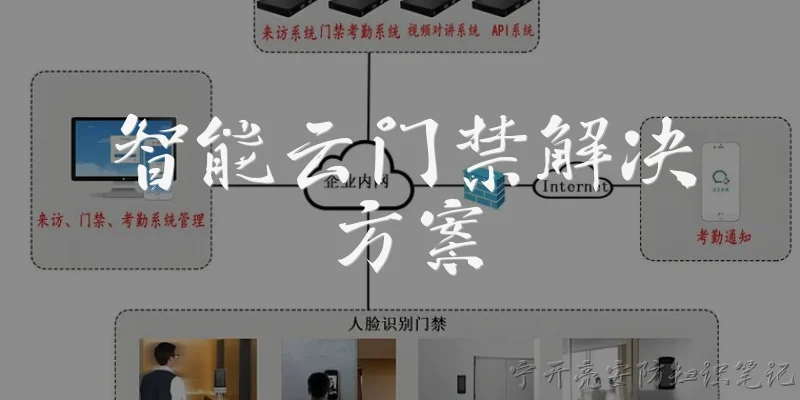
A: A Smart Cloud Access Control Solution is a modern security system that manages and monitors entry to physical or digital spaces through cloud-based technology. Unlike traditional on-premise systems, it stores credential data, access rules, and audit logs in the cloud, allowing administrators to control doors, gates, or network resources from anywhere with an internet connection. The system typically works by connecting smart readers, controllers, and IoT devices to a cloud platform. When a user presents a credential—such as a mobile app, key card, or biometric scan—the reader sends the data to the cloud for verification. If the credential matches the pre-set permissions, the cloud sends an unlock command back to the controller. This real-time communication enables instant updates, remote unlocking, and automated responses to security events. Additionally, the cloud architecture supports integration with other business systems, such as HR platforms for automated onboarding and offboarding, and video surveillance for visual verification. The result is a scalable, flexible, and cost-effective access control solution that eliminates the need for on-site servers and complex wiring, making it ideal for multi-site enterprises and remote workforce management.
Q: What are the key benefits of using a Smart Cloud Access Control Solution for businesses?
A: A Smart Cloud Access Control Solution offers numerous benefits that traditional systems cannot match. First, it provides unparalleled scalability and flexibility. Businesses can manage thousands of doors across multiple locations from a single cloud dashboard, adding or removing users instantly without hardware upgrades. Second, it reduces operational costs by eliminating on-premise servers, software maintenance, and IT overhead. Cloud-based systems also receive automatic updates, ensuring the latest security features without manual intervention. Third, it enhances security through real-time monitoring and alerts. Administrators can receive notifications for forced entry, door held open, or unauthorized access attempts, and respond immediately from their mobile devices. Fourth, it improves user convenience with mobile credentials, allowing employees to use smartphones for access, reducing the need for physical cards. Fifth, integration capabilities are vast: the solution can connect with HR systems to automate access rights based on employment status, with video surveillance for visual verification, and with time-and-attendance software for payroll. Finally, cloud access control supports remote management, which is crucial for businesses with distributed teams. These benefits collectively deliver a more secure, efficient, and future-proof access management strategy.
Q: How does a Smart Cloud Access Control Solution ensure data security and privacy?
A: Data security and privacy are paramount in a Smart Cloud Access Control Solution, and reputable providers implement multiple layers of protection. First, all data transmitted between devices and the cloud is encrypted using industry-standard protocols such as TLS/SSL, preventing interception or tampering. Data at rest is also encrypted with AES-256 encryption, ensuring that even if storage is compromised, the information remains unreadable. Second, access to the cloud platform is strictly controlled through multi-factor authentication (MFA) and role-based access control (RBAC), so only authorized personnel can view or modify settings. Third, the cloud infrastructure is hosted in secure data centers that comply with standards like ISO 27001, SOC 2, and GDPR, undergoing regular audits and penetration testing. Fourth, the system maintains detailed audit logs of all access events and administrative actions, providing a clear trail for compliance and forensic analysis. Fifth, many solutions offer data residency options, allowing organizations to choose where their data is stored to meet local regulations. Finally, privacy is addressed by design: personal data is minimized, and users are informed about what is collected and why. By combining encryption, strict access controls, compliance certifications, and transparent policies, a Smart Cloud Access Control Solution can deliver robust security without compromising user privacy.
Words of experience
Common scenarios of "Smart Cloud Access Control Solution"
【Sales Representative】 Good morning! Thanks for taking the time to meet. I'd like to walk you through our Smart Cloud Access Control Solution. It's designed to modernize how you manage physical access across all your facilities.
【Facility Manager】 Good morning. We currently use traditional keycards and standalone systems. What exactly makes your cloud-based approach better?
【Sales Representative】 Great question. With our solution, you can manage all doors, users, and permissions from a single web dashboard. No on-premise servers, no manual updates. You get real-time visibility and can grant or revoke access instantly from anywhere.
【Facility Manager】 That sounds convenient, but we have concerns about internet reliability. What happens if our connection goes down?
【Sales Representative】 We've built in offline mode. Each controller caches credentials locally, so access still works during outages. Once the connection is restored, it syncs automatically. You won't lose any data or security.
【IT Director】 I'm the IT Director here. I'm worried about cybersecurity. How do you protect the data and prevent unauthorized access to the cloud platform?
【Sales Representative】 Absolutely critical. We use end-to-end encryption, multi-factor authentication, and role-based access controls. Our cloud is hosted on AWS with SOC 2 compliance. We also support integration with your existing SSO and identity providers.
【IT Director】 That's reassuring. Can we integrate with our current HR system to automate onboarding and offboarding?
【Sales Representative】 Yes, we have pre-built connectors for major HR platforms like Workday, BambooHR, and ADP. When an employee is terminated, their access is revoked automatically within seconds.
【Facility Manager】 We have multiple buildings across different time zones. Can we set different access rules for each location?
【Sales Representative】 Definitely. You can create custom schedules, holiday exceptions, and zone-based permissions. For example, a contractor might only access the loading dock from 8 AM to 5 PM on weekdays.
【Facility Manager】 What about mobile credentials? Many of our employees prefer using their phones instead of cards.
【Sales Representative】 We support mobile credentials via Apple Wallet and Google Pay. You can issue, revoke, and update them remotely. It also reduces the cost of physical cards.
【IT Director】 How does the system handle firmware updates and patches? We don't want to manually update hundreds of devices.
【Sales Representative】 All updates are pushed automatically from the cloud. You can schedule them during off-hours. The system also performs health checks and alerts you if a device is offline or tampered with.
【Facility Manager】 What kind of reporting and analytics do we get?
【Sales Representative】 You get real-time dashboards showing entry/exit logs, door status, and alerts. You can also generate custom reports for audits, such as who accessed a specific door at a certain time.
【IT Director】 We need to ensure compliance with GDPR and local privacy laws. How do you handle data residency?
【Sales Representative】 We offer data residency options in the EU, US, and Asia. You can choose where your data is stored. We also sign DPAs and provide full audit trails.
【Facility Manager】 What's the typical deployment timeline and cost structure?
【Sales Representative】 Deployment usually takes 2-4 weeks depending on the number of doors. Pricing is subscription-based per door per month, with no upfront hardware costs if you use our certified readers. We also offer a 30-day free pilot.
【Facility Manager】 That sounds promising. We'll need to discuss with our team and maybe schedule a demo.
【Sales Representative】 I'd be happy to set up a personalized demo next week. I'll send a follow-up email with a proposal and a link to schedule. Thank you for your time!