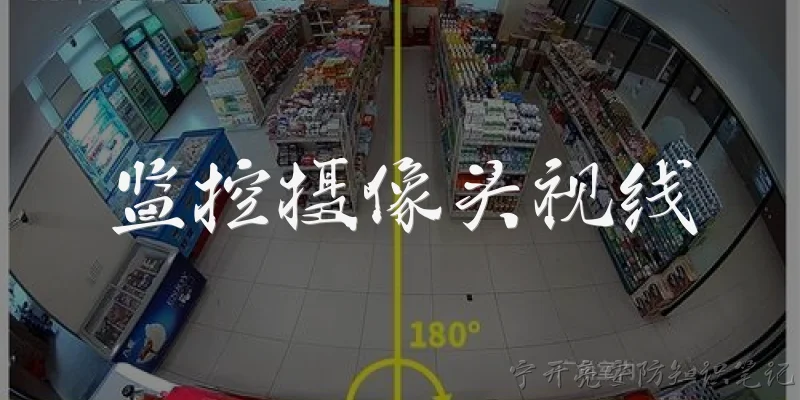
Surveillance Camera Installation Process:What are the initial steps in the surveillance camera installation process?
Q: What are the initial steps in the surveillance camera installation process?
A: The initial steps involve a thorough site assessment to identify optimal camera locations that cover entry points, high-traffic areas, and blind spots. Next, you plan the cabling routes, ensuring they are protected from weather and tampering. Then, you gather necessary tools and equipment, including cameras, mounts, cables, and a digital video recorder (DVR) or network video recorder (NVR). Finally, you mark the mounting positions and verify power sources. Proper planning at this stage prevents costly adjustments later and ensures the system meets surveillance objectives efficiently and legally.
Q: How do you mount and position surveillance cameras for optimal coverage?
A: Mount cameras at a height of 8 to 10 feet, angled slightly downward to capture facial details without obstruction. Use sturdy brackets and weatherproof housings for outdoor units. Position cameras to avoid direct sunlight, which can cause glare, and ensure they are not pointed at reflective surfaces. For wide areas, use varifocal lenses to adjust the field of view. Test the angle with a monitor before final tightening. Proper positioning minimizes blind spots, maximizes coverage, and adheres to privacy regulations by avoiding neighboring properties.
Q: What is involved in the wiring and connection phase of camera installation?
A: The wiring phase involves running cables from each camera to the recording unit. For analog systems, use coaxial cables with power wires; for IP cameras, use Ethernet cables with Power over Ethernet (PoE) to simplify installation. Protect cables in conduits, especially outdoors, to prevent damage. Terminate connections with proper connectors, and label each cable for future maintenance. Connect cameras to the DVR/NVR or network switch, then apply power. Ensure all connections are secure and weatherproofed. This phase is critical for reliable signal transmission and system longevity.
Q: How do you configure and test a newly installed surveillance camera system?
A: After installation, configure each camera through the DVR/NVR or software interface. Set resolution, frame rate, motion detection zones, and recording schedules. Assign IP addresses for network cameras and enable remote access if needed. Test each camera's feed for clarity, focus, and field of view. Check night vision and motion alerts. Verify recording and playback functionality. Adjust settings to balance storage and image quality. Finally, secure the system with strong passwords and firmware updates. Testing ensures all components work together and meet security requirements.
Q: What maintenance and legal considerations follow surveillance camera installation?
A: Regular maintenance includes cleaning lenses, checking connections, and updating firmware to prevent vulnerabilities. Inspect cables and mounts for wear, especially after severe weather. Legally, ensure cameras do not point into private areas like neighbors' windows or restrooms. Post signs informing people of surveillance where required by law. Comply with data protection regulations, such as GDPR, by limiting recording to necessary areas and storing footage securely. Periodically review footage access and retention policies. Proper maintenance and legal compliance extend system life and avoid fines or privacy lawsuits.
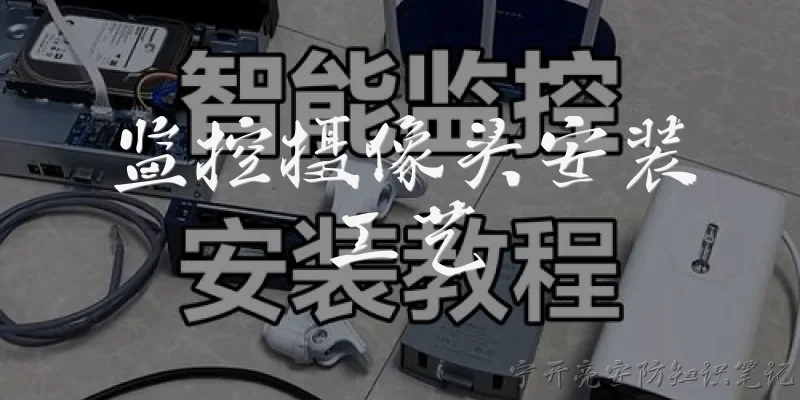
Words of experience
Common scenarios of "Surveillance Camera Installation Process"
【Customer】 Hi, I'm interested in installing surveillance cameras at my home. Can you tell me about the process?
【Sales Representative】 Absolutely! I'd be happy to help. The first step is a free consultation to assess your needs and the layout of your property.
【Customer】 That sounds good. What happens during the consultation?
【Sales Representative】 We'll visit your home, discuss your security concerns, and identify areas you want to monitor. We'll also check for potential obstacles like wiring and lighting.
【Customer】 Do I need to prepare anything for the consultation?
【Sales Representative】 It helps to have a rough idea of how many cameras you want and your budget. Also, think about whether you prefer wired or wireless systems.
【Customer】 I'm not sure about wired vs wireless. What do you recommend?
【Sales Representative】 Wired systems are more reliable and don't require battery changes, but wireless are easier to install. We can discuss the pros and cons based on your home's structure.
【Customer】 Okay. After the consultation, what's next?
【Sales Representative】 We'll provide a detailed quote and system design. Once you approve, we'll schedule the installation at your convenience.
【Customer】 How long does installation usually take?
【Sales Representative】 For a typical home with 4-6 cameras, it takes about 4-6 hours. Larger systems may take a full day.
【Customer】 Will there be any drilling or major modifications?
【Sales Representative】 Yes, we'll need to drill small holes for cables and mount cameras. We'll minimize damage and clean up afterward.
【Customer】 Do you handle all the wiring and setup?
【Sales Representative】 Absolutely. Our technicians will run cables, mount cameras, connect the DVR/NVR, and configure remote access on your devices.
【Customer】 What about after installation? Is there a warranty?
【Sales Representative】 Yes, we offer a 1-year warranty on labor and manufacturer warranties on equipment. We also provide maintenance services.
【Customer】 Great. How do I schedule the consultation?
【Sales Representative】 You can call our office or book online. We'll confirm a time that works for you. Looking forward to securing your home!