Indoor Camera Surveillance System:What is an indoor camera surveillance system and what are its primary components?
Q: What is an indoor camera surveillance system and what are its primary components?
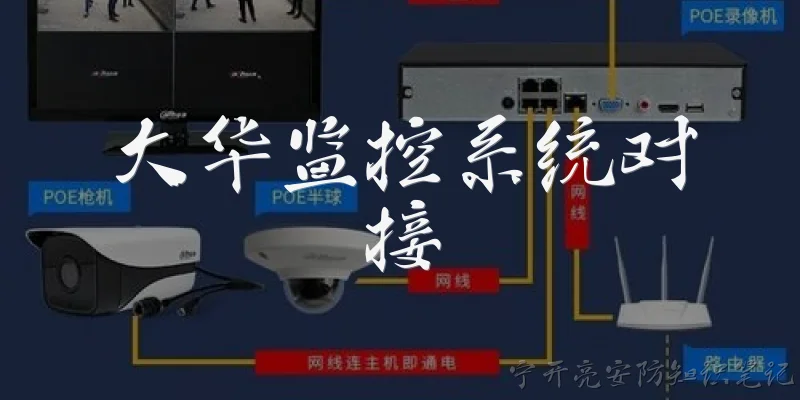
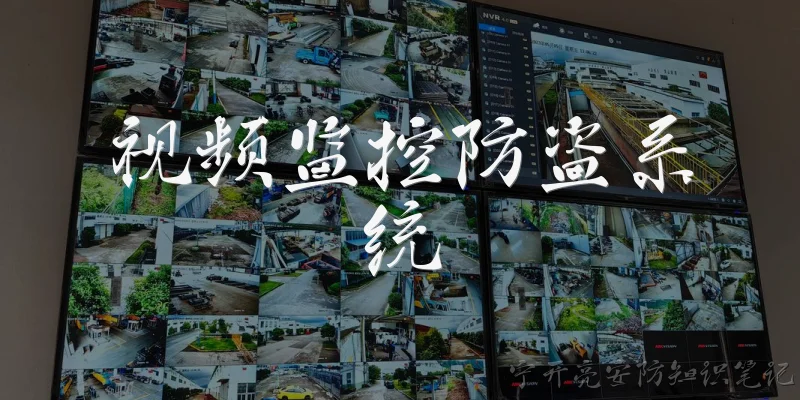
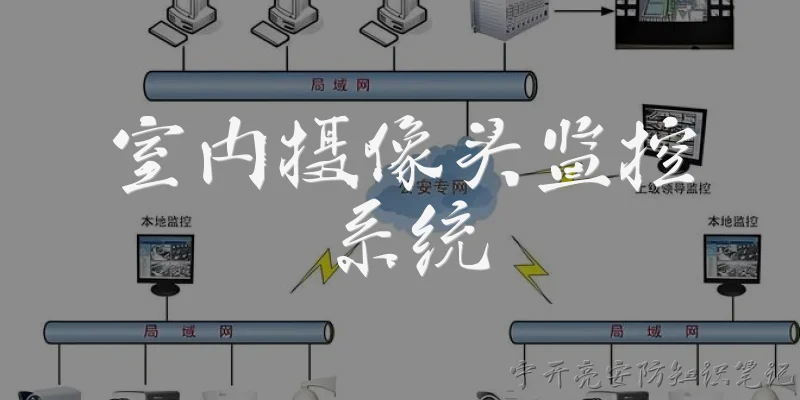
A: An indoor camera surveillance system is a setup of one or more cameras designed to monitor the interior of a home or business. Its primary components include the cameras themselves (often Wi-Fi-enabled or PoE), a recording device such as an NVR or DVR, storage (local hard drive or cloud), and a viewing interface like a smartphone app or monitor. Many systems also include motion sensors, night vision, and two-way audio. These systems provide real-time video feeds, allow remote access, and can send alerts when activity is detected, making them ideal for security, monitoring pets, or overseeing employees.
Q: How does an indoor camera surveillance system differ from an outdoor one?
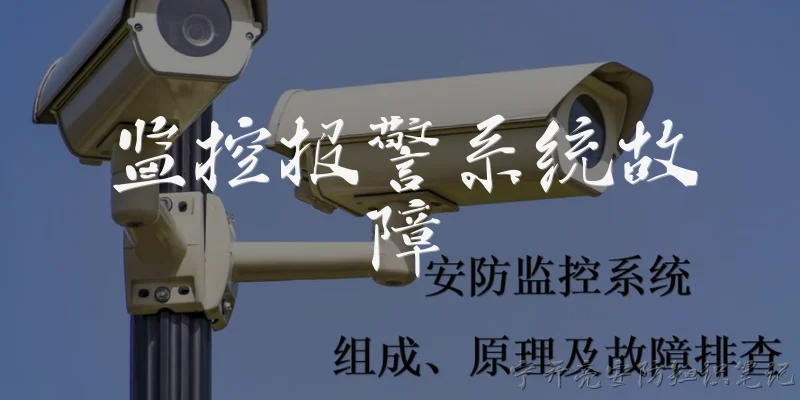
A: Indoor camera surveillance systems are designed for climate-controlled environments, so they typically lack the weatherproofing (IP ratings) required for outdoor use. They often prioritize discreet design, wide-angle lenses, and features like pan-tilt-zoom for covering rooms. Outdoor cameras, by contrast, are built to withstand rain, dust, and temperature extremes, and often have longer-range night vision and stronger IR illuminators. Indoor systems may also focus more on two-way audio and pet/baby monitoring, while outdoor systems emphasize perimeter security. However, some cameras are dual-use, but indoor-only models are generally less rugged and more affordable.
Q: What are the key features to look for when choosing an indoor camera surveillance system?
A: When selecting an indoor camera surveillance system, consider resolution (1080p or higher for clarity), field of view (wide-angle to cover more area), night vision (infrared for low-light), motion detection with customizable zones, and two-way audio. Storage options matter: local (microSD or NVR) versus cloud subscription. Check for encryption, privacy modes (lens cap or software), and smart home integration (Alexa, Google). Also evaluate power source (wired, battery, or PoE) and whether you want pan-tilt-zoom. For multi-camera setups, ensure the system supports simultaneous viewing and easy expansion. User-friendly apps and alerts are also crucial.
Q: Are indoor camera surveillance systems legal, and what privacy considerations should be taken?
A: Indoor camera surveillance systems are generally legal when used in your own home or business, but privacy laws vary by jurisdiction. In most places, you cannot record in areas where people have a reasonable expectation of privacy, such as bathrooms, bedrooms, or changing rooms. For businesses, you must inform employees and customers, often via signage. Audio recording may have additional restrictions (e.g., wiretapping laws). It's essential to secure your system with strong passwords and encryption to prevent hacking. Also, consider the privacy of guests and family members; use privacy modes or limit camera placement to non-sensitive areas.
Q: How can I secure my indoor camera surveillance system from hackers?
A: To secure your indoor camera surveillance system, start by changing default passwords to strong, unique ones and enabling two-factor authentication if available. Keep firmware updated to patch vulnerabilities. Use a separate Wi-Fi network or VLAN for your cameras to isolate them from other devices. Enable encryption for both storage and transmission (WPA2/WPA3 for Wi-Fi, HTTPS for remote access). Disable unnecessary features like UPnP and remote access if not needed. Regularly review access logs and camera angles. Consider local storage over cloud to reduce exposure, and choose reputable brands with a good security track record. Finally, use a firewall and monitor for unusual activity.
Words of experience
Common scenarios of "Indoor Camera Surveillance System"
【Security Consultant】 Good morning. Thanks for meeting with me about the indoor camera surveillance system. I understand you're planning to install cameras across several office floors?
【Facility Manager】 Yes, that's right. We've had a few incidents of missing equipment and unauthorized access after hours. We need better visibility and deterrence.
【Security Consultant】 Understood. Before we discuss camera models, let's clarify your objectives. Are you mainly focused on theft prevention, employee safety, or access monitoring?
【Facility Manager】 All three, but theft and after-hours access are the top priorities. We also want to ensure we're compliant with privacy regulations for our employees.
【Security Consultant】 Good point. Privacy compliance is critical. We'll need to avoid cameras in restrooms, locker rooms, and private offices unless there's a strong justification and proper signage. Do you have a legal team we should coordinate with?
【Facility Manager】 Yes, our legal counsel will review the plan. They'll want to see where cameras are placed and how footage is stored and accessed.
【Security Consultant】 Perfect. Let's talk about camera types. For indoor surveillance, we typically recommend dome cameras for discreet coverage in hallways and open offices, and bullet cameras for entrances and corridors where deterrence is key. What's your ceiling height and lighting like?
【Facility Manager】 Ceilings are standard drop ceilings, about 2.7 meters. Lighting is typical fluorescent, but some areas are dim after hours.
【Security Consultant】 In that case, we should choose cameras with good low-light performance, ideally with infrared night vision up to 10 meters. Do you want color images at night, or is black-and-white acceptable?
【Facility Manager】 Color at night would be helpful for identifying clothing or objects, but it's not mandatory. We do want clear facial recognition if possible.
【Security Consultant】 For facial recognition, we need at least 1080p resolution and proper camera angles. We can also add analytics like motion detection and people counting. Would you like those features?
【Facility Manager】 Motion detection is a must. People counting could be useful for occupancy trends, but let's not overcomplicate. Can we start with motion alerts and add more later?
【Security Consultant】 Absolutely. The system can be scalable. Now, where do you want to store the footage? On-premises NVR or cloud-based?
【Facility Manager】 We prefer on-premises for security and to avoid monthly fees. But we need at least 30 days of retention.
【Security Consultant】 On-premises NVR works well. We'll calculate storage based on camera count, resolution, and frame rate. For 20 cameras at 1080p, 15 fps, 30 days, you'll need roughly 8-10 TB. We can use a RAID array for redundancy.
【Facility Manager】 That sounds reasonable. Can we also get remote access via mobile app for the security team?
【Security Consultant】 Yes, but we must secure it with two-factor authentication and encrypted connections. Only authorized personnel should have access. We'll set up user roles and audit logs.
【Facility Manager】 Good. What about installation? Will it disrupt our operations?
【Security Consultant】 We can schedule installation after hours or on weekends to minimize disruption. Cabling will be run through ceilings and walls. We'll need access to your network closets and power outlets.
【Facility Manager】 We can arrange that. What's the estimated timeline and cost?
【Security Consultant】 For 20 cameras, NVR, installation, and configuration, it'll take about 3-4 days. Cost depends on camera models and storage, but expect around $8,000-$12,000. I'll prepare a detailed quote.
【Facility Manager】 That's within our budget. Please include options for both dome and bullet cameras, and a maintenance plan.
【Security Consultant】 Will do. I'll also include a privacy impact assessment template for your legal team. Any other concerns?
【Facility Manager】 Just one: can we get a demo of the software before committing?
【Security Consultant】 Of course. We can set up a pilot with 2-3 cameras in a non-sensitive area. You can test the interface, alerts, and playback for a week.
【Facility Manager】 That would be great. Let's schedule the pilot for next month. I'll loop in IT and legal.
【Security Consultant】 Excellent. I'll send a proposal by tomorrow. Thanks for your time.
【Facility Manager】 Thank you. Looking forward to it.