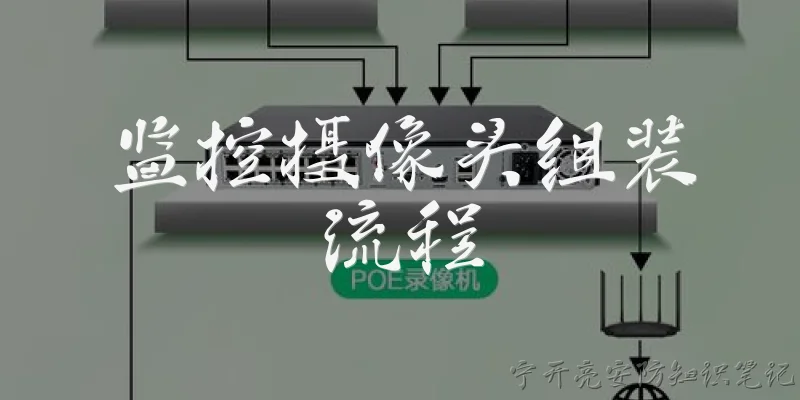
Video surveillance system knowledge:What is a video surveillance system and what are its core components?
Q: What is a video surveillance system and what are its core components?
A: A video surveillance system is an integrated setup of cameras, recording devices, and software used to monitor and record activity in a defined area for security or operational purposes. Its core components typically include cameras (analog or IP-based), a recording and storage solution such as an NVR or DVR, a network infrastructure (switches, cabling, or wireless links), a viewing and management platform (client software or VMS), and power supply or PoE equipment. Depending on scale, systems may also include video analytics, access control integration, and remote access through mobile or web clients. Understanding each component's role helps in planning capacity, ensuring reliable recording, and selecting appropriate resolutions and frame rates. When designing a system, you should match camera types to lighting and coverage needs, size storage based on retention policy, and secure the network to protect video data from unauthorized access.
Q: What factors should be considered when designing a video surveillance system?
A: Designing a video surveillance system requires balancing coverage, image quality, storage, and budget. First, define the purpose and risk areas, then determine camera placement to avoid blind spots while respecting privacy regulations. Consider lighting conditions, field of view, resolution, and frame rate needed for identification or overview. Calculate bandwidth and storage based on recording mode (continuous, motion-triggered), codec (H.264/H.265), and retention period. Plan the network for sufficient throughput and cybersecurity, including VLANs, strong credentials, and firmware updates. Consider scalability for future expansion, integration with access control or alarms, and a maintenance plan. Finally, document the design and test it in phases to verify coverage and performance before full deployment. A well-planned system improves reliability and reduces total cost of ownership.
Q: How can video surveillance systems be secured against cyber threats?
A: Securing a video surveillance system involves layered controls across devices, network, and operations. Start by changing default credentials, using unique strong passwords, and disabling unused services and ports. Keep firmware updated and prefer vendors with a clear vulnerability disclosure process. Segment cameras on a dedicated VLAN or isolated network, restrict inbound access, and use encrypted protocols such as HTTPS and SRTP where supported. For remote access, use VPN or secure gateways rather than exposing devices directly to the internet. Apply least-privilege access for users and audit logs regularly. Enable secure boot and signed firmware if available. Finally, establish monitoring and incident response procedures, and physically secure recorders and network equipment. These measures reduce the risk of unauthorized viewing, botnet recruitment, and data breaches in surveillance deployments.
Q: What role do video analytics play in modern surveillance systems?
A: Video analytics add automated interpretation to surveillance footage, turning raw video into actionable information. Common functions include motion detection, line crossing, intrusion detection, loitering alerts, people or vehicle counting, and license plate recognition. Analytics can run on edge devices (cameras) or on servers/NVRs, and they help reduce operator workload by filtering irrelevant events and enabling faster search. They also support business intelligence, such as occupancy trends and queue management, when privacy rules are respected. However, accuracy depends on camera placement, lighting, and scene complexity; false alarms should be tuned during commissioning. Organizations should define clear use cases, validate performance, and ensure compliance with privacy laws. When properly configured, analytics improve response times and make surveillance systems more efficient and proactive.
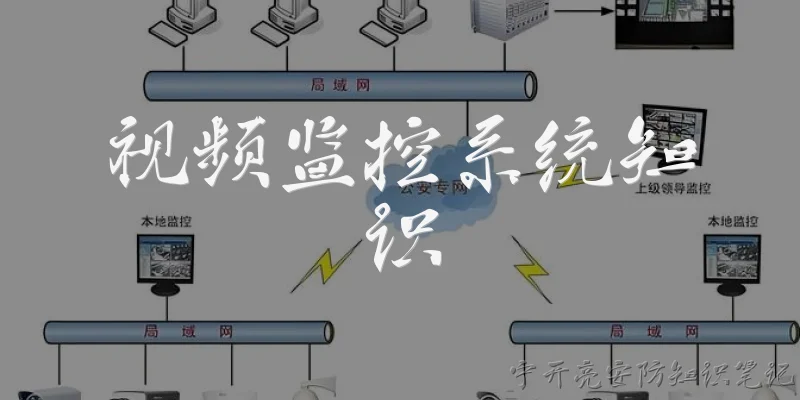
Words of experience
Common scenarios of "Video surveillance system knowledge"
【Security Consultant】 Good morning. Today we're going to walk through the fundamentals of video surveillance systems. First, do you know the main components of a typical CCTV setup?
【Client】 Not really. I assume cameras and a monitor, but what else is involved?
【Security Consultant】 You're on the right track. A basic system includes cameras, a recording device like a DVR or NVR, storage drives, cabling or wireless transmission, and a viewing station. Power supply and network equipment are also key.
【Client】 What's the difference between a DVR and an NVR?
【Security Consultant】 A DVR works with analog cameras and digitizes the signal, while an NVR handles IP cameras and records network streams. NVRs generally offer higher resolution and scalability.
【Client】 So IP cameras are better than analog ones?
【Security Consultant】 They offer advantages like higher megapixels, remote access, and easier integration with analytics, but analog can still be cost-effective for short-range, simple setups.
【Client】 What resolution should I look for?
【Security Consultant】 For general surveillance, 1080p is a good baseline. For identifying faces or license plates, consider 4MP or higher, and pay attention to pixel density at the distance you need to cover.
【Client】 How does storage work? How many days can I keep footage?
【Security Consultant】 Retention depends on resolution, frame rate, compression, and number of cameras. A common target is 30 days. You can calculate storage needs and use compression like H.265 to save space.
【Client】 What about low-light performance?
【Security Consultant】 Look for cameras with good sensor sensitivity, wide dynamic range, and IR or white-light illuminators. Some models offer color night vision using larger sensors.
【Client】 Can I view the cameras remotely on my phone?
【Security Consultant】 Yes, most modern NVRs and IP cameras support mobile apps and secure remote access. Be sure to use strong passwords and keep firmware updated to reduce cyber risks.
【Client】 Are there privacy laws I need to follow?
【Security Consultant】 Definitely. Rules vary by jurisdiction. Generally, avoid recording private areas, post signage where required, limit access to footage, and define retention policies.
【Client】 What is video analytics?
【Security Consultant】 It's software that interprets video, such as motion detection, line crossing, people counting, or facial recognition. It can reduce false alarms and automate responses, but accuracy varies.
【Client】 Should I choose wired or wireless cameras?
【Security Consultant】 Wired PoE is more reliable and secure, and it provides power over the same cable. Wireless is easier to install but can suffer interference and needs robust encryption.
【Client】 How do I prevent my system from being hacked?
【Security Consultant】 Change default credentials, use VLANs or isolated networks, enable encryption, update firmware, disable unused services, and monitor access logs regularly.
【Client】 What maintenance does a surveillance system need?
【Security Consultant】 Clean lenses, check recording health and storage, verify time sync, test alerts, inspect cabling, and review firmware updates. A quarterly check is a good practice.
【Client】 How do I decide how many cameras I need?
【Security Consultant】 Start with a site survey: identify entry points, high-value areas, and blind spots. Then choose lens focal lengths and placements to cover those zones effectively.
【Client】 What about power backup during outages?
【Security Consultant】 Use UPS units for recorders and network gear, and consider PoE injectors with battery backup. For critical sites, a generator or solar backup may be warranted.
【Client】 Is it worth integrating with access control or alarms?
【Security Consultant】 Integration can improve response, like linking a door alarm to camera views. Use open standards like ONVIF where possible to avoid vendor lock-in.
【Client】 What's a reasonable budget for a small business?
【Security Consultant】 It varies widely. A four-to-eight camera IP system with an NVR and installation might range from a few hundred to a few thousand dollars, depending on resolution, storage, and labor.
【Client】 Thanks, this gives me a solid starting point for planning my system.