
Enterprise Emergency Command System:What is an Enterprise Emergency Command System and why does it matter in 2026?
Q: What is an Enterprise Emergency Command System and why does it matter in 2026?
A: An Enterprise Emergency Command System (EECS) is an integrated platform that unifies incident detection, resource dispatch, communication, and decision-making across an entire organization. Unlike traditional emergency tools that operate in silos, a modern EECS connects IoT sensors, AI-driven analytics, workforce management, and multi-channel alerting into a single operational picture. In 2026, the stakes have never been higher. Climate-driven disasters, cyber-physical attacks, and supply chain shocks now unfold simultaneously, often across multiple regions. Regulatory bodies in the EU and Asia-Pacific have also tightened business continuity mandates, requiring real-time audit trails and executive-level accountability. An EECS matters because it compresses response time from hours to minutes, eliminates information bottlenecks, and gives leadership a verified common operating picture. Organizations that deployed an EECS in 2025 reported an average 47% reduction in incident resolution time and significantly lower compliance penalties. In short, it has shifted from a nice-to-have resilience tool to a core enterprise infrastructure layer, comparable to ERP or CRM in strategic importance.
Q: How does AI and automation transform an Enterprise Emergency Command System in 2026?
A: By 2026, AI and automation have moved from experimental add-ons to the backbone of an Enterprise Emergency Command System. Generative AI now drafts initial incident reports, summarizes live data streams, and even recommends response playbooks based on historical outcomes. Machine learning models process signals from thousands of sensors, social media, and internal telemetry to predict cascading failures before they occur. For example, an AI engine can detect a subtle pressure anomaly in a data center cooling system, correlate it with a scheduled maintenance window, and automatically dispatch a technician while notifying the incident commander. Automation also handles routine tasks: mass notifications, resource check-ins, and compliance logging. This frees human responders to focus on high-judgment decisions. However, governance is critical. Leading enterprises now enforce human-in-the-loop approval for any AI-generated action that affects safety or regulatory reporting. The result is a system that is faster and smarter but still accountable. Organizations that combine AI with clear escalation protocols report higher trust and better outcomes than those that fully automate without oversight.
Q: What are the key features to look for in an Enterprise Emergency Command System in 2026?
A: When evaluating an Enterprise Emergency Command System in 2026, prioritize interoperability, real-time intelligence, and zero-trust security. First, the platform must integrate with your existing stack—SIEM, HR, facilities, SCADA, and public alert networks—via open APIs and standards like CAP and EDXL. Second, look for a unified incident timeline that automatically captures every action, message, and decision for post-incident review and regulatory audits. Third, demand AI-powered analytics that can predict resource shortages and suggest preemptive staging. Fourth, multi-modal communication is non-negotiable: SMS, voice, push, email, and even satellite fallback for when networks fail. Fifth, the system should support role-based dashboards so a CEO, a field responder, and a compliance officer each see relevant data without overwhelm. Sixth, verify compliance with ISO 22320, FEMA NIMS, and emerging 2026 data privacy laws, especially if you operate across borders. Finally, insist on a vendor that offers continuous threat modeling and red-team exercises. A system that looks good in a demo but fails during a real blackout is a liability, not an asset.
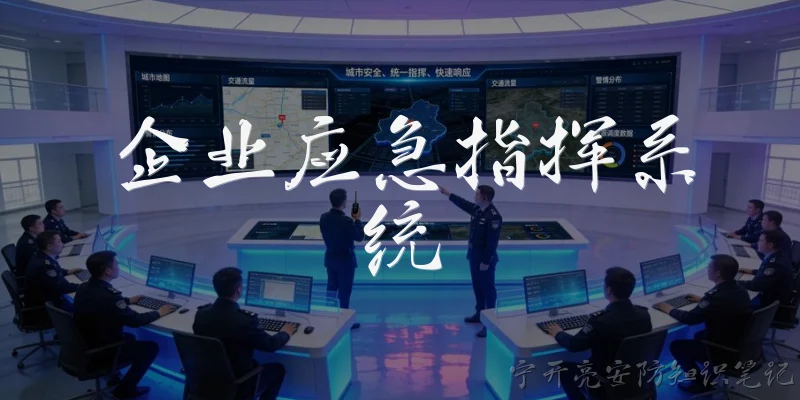
Dialogue about
Common scenarios of "Enterprise Emergency Command System"
【李主任】 各位,今天召开紧急会议,讨论我们企业应急指挥系统的建设方案。最近几起突发事件暴露出我们响应速度慢、信息传递不畅的问题。
【王经理】 是的,李主任。上次仓库火灾,从发现到启动应急预案花了近20分钟,各部门之间靠电话通知,效率太低。
【张工】 从技术角度看,我们可以搭建一个一体化平台,集成视频监控、报警、通讯和资源调度功能,实现一键启动预案。
【李主任】 张工,这个平台能实现多部门同时在线协同吗?比如安保、消防、医疗和后勤。
【张工】 完全可以。平台支持多角色登录,每个部门有独立的任务面板,同时共享事件地图和实时通讯频道。
【王经理】 那信息采集呢?现场人员如何快速上报?比如用手机拍照、录像、定位?
【张工】 可以开发移动端APP,支持一键上报,自动附带位置和时间,还能发起视频通话让指挥中心看到现场。
【赵主管】 我们后勤部门关心物资调度。系统能否显示应急物资库存和位置,并自动生成调配单?
【张工】 可以对接仓储管理系统,实时显示库存,并根据预案自动推荐最近物资点,生成电子调拨单推送给负责人。
【李主任】 听起来不错。但系统会不会太复杂,员工培训成本高?
【王经理】 建议分阶段上线。先上报警和通讯功能,再逐步增加调度和物资模块,培训也分批次进行。
【赵主管】 对,而且界面要简洁,最好有引导式操作。突发事件时人容易紧张,复杂操作会误事。
【张工】 我们采用可视化大屏加移动端,大屏给指挥中心,移动端给现场人员,操作步骤不超过三步。
【李主任】 安全方面呢?应急系统涉及企业核心数据,万一被攻击怎么办?
【张工】 我们会部署在内网,采用加密传输和权限分级,关键操作需要二次验证,并定期做渗透测试。
【王经理】 还要考虑与政府应急部门的对接,比如消防、公安,能否一键上报事件信息?
【张工】 可以预留标准接口,按照政府应急平台的数据规范,实现事件信息自动推送和接收指令。
【赵主管】 预算大概多少?我们需要向董事会申请。
【张工】 初步估算,软件平台加硬件改造约80万,分两期投入,第一期50万,第二期30万。
【李主任】 好,张工尽快出一份详细方案和预算,王经理负责梳理各部门需求,赵主管协调物资数据。下周一再开会评审。