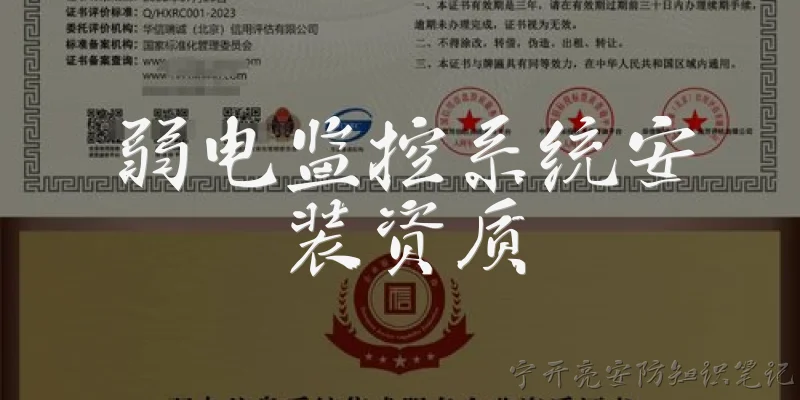
Low-voltage monitoring system installation qualifications:What qualifications are required to install a low-voltage monitoring system?
Q: What qualifications are required to install a low-voltage monitoring system?
A: Installing a low-voltage monitoring system requires a combination of electrical licensing, technical certification, and practical experience. In most jurisdictions, the installer must hold a valid electrician's license, such as a Journeyman or Master Electrician credential, which demonstrates competence in safely working with low-voltage circuits. Additionally, specific training in monitoring systems—covering sensors, communication protocols, and data acquisition—is essential. Many manufacturers offer certification programs that validate proficiency with their equipment. For example, a certified installer might complete courses on power quality analysis, network configuration, and software integration. Furthermore, familiarity with relevant electrical codes, such as the NEC in the US or IEC standards internationally, is mandatory to ensure compliance and safety. Without these qualifications, installation could lead to improper wiring, inaccurate data, or hazardous conditions. Therefore, always verify that your installer possesses the appropriate licenses, manufacturer certifications, and a proven track record in low-voltage monitoring deployments.
Q: Can a general electrician install a low-voltage monitoring system without special certification?
A: While a general electrician has foundational skills in wiring and electrical safety, installing a low-voltage monitoring system typically requires additional specialized certification. Low-voltage systems operate below 50 volts, but they involve sensitive electronics, communication networks, and data analytics that fall outside standard electrician training. Without manufacturer-specific certification, an electrician may struggle with proper sensor placement, signal interference, or software configuration, leading to unreliable data or system failures. Many monitoring system vendors mandate that installers complete their training programs to uphold warranty terms and ensure optimal performance. Moreover, some local codes distinguish between low-voltage and line-voltage work, requiring separate licenses or endorsements. Therefore, even a licensed electrician should pursue supplementary training in low-voltage monitoring before undertaking installation. It is not merely about connecting wires; it is about integrating a sophisticated system that demands knowledge of networking, power quality, and data management. Always check with the manufacturer and local authorities to confirm specific requirements.
Q: What are the key components of a low-voltage monitoring system installation training program?
A: A comprehensive low-voltage monitoring system installation training program covers several key areas to ensure competence and safety. First, participants learn electrical fundamentals specific to low-voltage circuits, including Ohm's law, voltage drop, and grounding techniques. Second, the curriculum includes sensor technology—how to select, calibrate, and install current transformers, voltage taps, and temperature sensors. Third, networking and communication protocols are taught, such as Modbus, BACnet, or Ethernet, to ensure data transmission reliability. Fourth, software training focuses on configuring monitoring platforms, setting alarms, and analyzing trends. Fifth, safety procedures for working near live panels and handling sensitive electronics are emphasized. Finally, regulatory compliance, including relevant NEC articles and local codes, is reviewed. Many programs also incorporate hands-on labs and final assessments. Completing such training, often through a manufacturer or accredited technical school, leads to certification that validates the installer's ability to deliver accurate, code-compliant installations. Without this structured education, installers risk improper setup and data integrity issues.
Q: How does one verify an installer's qualifications for low-voltage monitoring system projects?
A: Verifying an installer's qualifications for low-voltage monitoring system projects involves several steps. Start by requesting copies of their electrician license and any manufacturer-specific certifications, such as from companies like Schneider Electric, Siemens, or Eaton. Check the license status with your state or local licensing board to ensure it is active and in good standing. Next, ask for proof of completed training courses, including transcripts or certificates that detail low-voltage monitoring content. Review their project portfolio or client references to confirm hands-on experience with similar systems. Additionally, inquire about insurance coverage, including general liability and workers' compensation, to protect against potential damages. Some installers may also hold credentials like Certified Energy Manager (CEM) or Certified Measurement and Verification Professional (CMVP), which add credibility. Finally, verify compliance with local codes by asking about permits and inspections. A qualified installer should readily provide this information. If any documentation is missing or outdated, consider it a red flag and seek alternative candidates.
Dialogue about
Common scenarios of "Low-voltage monitoring system installation qualifications"
【Client】 Hi, I'm interested in installing a low-voltage monitoring system for my factory. What qualifications do I need to check for the installer?
【Contractor】 Hello! For low-voltage monitoring system installation, the installer should have relevant electrical contractor licenses and certifications. Typically, they need a valid electrician's license and experience with low-voltage systems.
【Client】 Can you specify what kind of electrician's license? Is there a difference between low-voltage and general electrician licenses?
【Contractor】 Yes, there is a difference. Low-voltage systems often require a specific low-voltage license or certification, such as a Limited Energy Technician license in some regions. General electrician licenses may not cover low-voltage work.
【Client】 What about insurance? Should the contractor have liability insurance?
【Contractor】 Absolutely. A reputable contractor should carry general liability insurance and workers' compensation insurance to cover any accidents or damages during installation.
【Client】 Are there any industry standards or codes that the installation must comply with?
【Contractor】 Yes, the installation should comply with local electrical codes, such as the National Electrical Code (NEC) in the US, and any specific regulations for low-voltage systems. Also, standards like ANSI/TIA-568 for cabling may apply.
【Client】 Do I need to verify the contractor's experience with similar projects?
【Contractor】 Definitely. Ask for references and case studies of past low-voltage monitoring installations. Experience ensures they can handle potential challenges and deliver a reliable system.
【Client】 What about certifications from manufacturers? Is that important?
【Contractor】 Yes, many manufacturers offer certifications for their specific monitoring equipment. A certified installer is trained to install and configure the system correctly, which can also validate warranties.
【Client】 Should the contractor be licensed to work in my specific location?
【Contractor】 Yes, licenses are typically issued by state or local authorities. Ensure the contractor holds a valid license for your jurisdiction. You can check with your local licensing board.
【Client】 How can I verify the contractor's qualifications?
【Contractor】 You can ask for copies of licenses, insurance certificates, and certifications. Then verify them with the issuing authorities. Also, check online reviews and ask for references.
【Client】 What are the risks of hiring an unqualified installer?
【Contractor】 Risks include non-compliant installations, safety hazards, system failures, voided warranties, and potential legal liabilities. It's crucial to hire qualified professionals.
【Client】 Are there any additional qualifications for monitoring systems that integrate with existing electrical infrastructure?
【Contractor】 Yes, if integrating with existing systems, the contractor should have experience with system integration and possibly certifications in network or building management systems. They should also understand electrical load calculations and safety protocols.
【Client】 Thank you for the detailed information. I'll make sure to check all these qualifications before hiring.
【Contractor】 You're welcome! Feel free to reach out if you have more questions. Good luck with your installation!