Kindergarten surveillance hard drive failure:What happens when a kindergarten surveillance hard drive fails?
Q: What happens when a kindergarten surveillance hard drive fails?
A: When a kindergarten surveillance hard drive fails, the system typically stops recording, leaving gaps in video coverage. Staff may not notice immediately unless they check footage or receive an alert. Without a working drive, any incidents during that period cannot be reviewed, which compromises child safety and accountability. In many cases, the drive may show symptoms like clicking noises, unrecognized storage, or corrupted files before total failure. If the failure is sudden, recent footage might be lost permanently unless backed up. Kindergartens should have a protocol to check drive health regularly and replace failing units promptly. Additionally, redundant storage or cloud backup can prevent data loss. Parents and staff should be informed if outages affect monitoring, and incident reports should document any gaps.
Q: How can a kindergarten prevent surveillance hard drive failure?
A: Preventing surveillance hard drive failure in a kindergarten involves proactive measures. First, use surveillance-grade drives designed for continuous operation, such as WD Purple or Seagate SkyHawk. Second, monitor drive health using S.M.A.R.T. tools that alert you to rising error rates or temperature issues. Third, ensure proper ventilation and cooling in the recorder to avoid overheating. Fourth, schedule regular maintenance, including checking connections and cleaning dust. Fifth, implement a backup strategy: either a second drive in a RAID configuration or automatic cloud backup of critical footage. Sixth, set a replacement schedule based on manufacturer's mean time between failures (MTBF), often 3-5 years. Finally, train staff to recognize warning signs like system beeping or missing footage. By combining these practices, you can minimize downtime and protect important video evidence.
Q: What are the legal implications of a kindergarten surveillance hard drive failure?
A: A kindergarten surveillance hard drive failure can have significant legal implications, especially if an incident occurs during the outage. Parents entrust schools with their children's safety, and many jurisdictions require childcare facilities to maintain video surveillance. If footage is lost due to drive failure, the kindergarten may be unable to provide evidence in investigations of abuse, neglect, or accidents. This could lead to liability claims, regulatory fines, or loss of license. Additionally, if the failure was due to negligence—such as ignoring warning signs or using inadequate hardware—the school could be held accountable. In some cases, courts may infer that missing footage would have been unfavorable to the school. To mitigate risks, kindergartens should document regular maintenance, have backup systems, and report failures promptly. Consulting a legal expert on record-keeping requirements is advisable.
Q: What steps should a kindergarten take immediately after a surveillance hard drive fails?
A: Immediately after a kindergarten surveillance hard drive fails, follow these steps: First, do not attempt to open or repair the drive yourself if data recovery is needed—this can cause further damage. Second, check if the failure is total or partial; sometimes a simple reboot or cable check resolves it. Third, if the drive is dead, replace it with a new surveillance-grade drive as soon as possible to resume recording. Fourth, if footage is critical (e.g., after an incident), contact a professional data recovery service, but be aware it can be expensive and not always successful. Fifth, review any backup or redundant storage. Sixth, document the failure time, symptoms, and actions taken for liability purposes. Seventh, inform parents and staff if the outage affects monitoring, and increase supervision temporarily. Finally, conduct a root cause analysis to prevent recurrence, and consider upgrading to a more robust system.
Dialogue about
Common scenarios of "Kindergarten surveillance hard drive failure"
【Director Liu】 Good morning, everyone. Thank you for coming on such short notice. As you know, our kindergarten's surveillance system experienced a hard drive failure yesterday. We need to address this immediately.
【Parent Representative Wang】 Director Liu, how could this happen? We rely on those cameras to keep our children safe. What exactly went wrong?
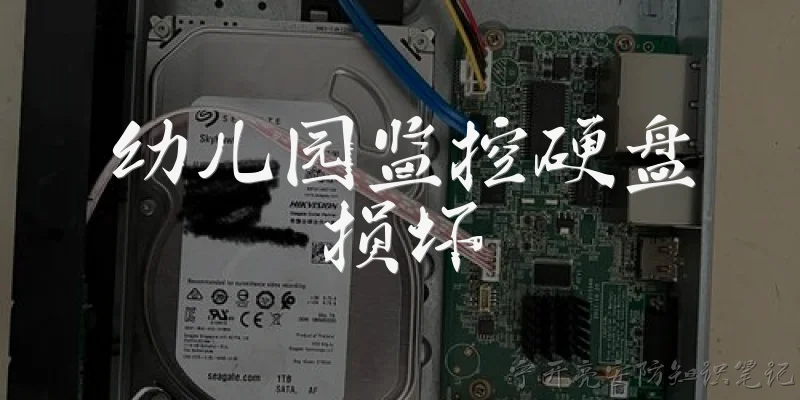
【IT Technician Zhang】 The hard drive in the main recording unit failed due to a mechanical error. It's an older model, and it had been showing signs of wear for a few weeks.
【Teacher Chen】 I noticed the cameras were offline yesterday afternoon. I reported it right away, but by then, the damage was done.
【Parent Representative Li】 So we have no footage from yesterday? That's unacceptable. What if something happened to a child?
【Director Liu】 I understand your concern. Fortunately, all children are safe and accounted for. But we must ensure this doesn't happen again.
【IT Technician Zhang】 I've already ordered a replacement hard drive, which should arrive tomorrow. In the meantime, I've set up temporary cameras in key areas.
【Parent Representative Wang】 Temporary cameras? Are they reliable? We need a permanent solution.
【Director Liu】 We are also considering upgrading the entire system to a cloud-based solution with automatic backups. That would prevent data loss in the future.
【Teacher Chen】 That sounds promising, but we need to ensure the new system is user-friendly for all staff.
【Parent Representative Li】 How long will it take to implement the new system? And what about the cost?
【Director Liu】 We're getting quotes from several vendors. We aim to have a proposal by next week. The cost will be covered by the school's technology budget and possibly some fundraising.
【IT Technician Zhang】 I recommend we also set up a monitoring system that alerts us immediately if a camera goes offline or a hard drive fails.
【Parent Representative Wang】 That's a good idea. We should also have regular maintenance checks.
【Director Liu】 Agreed. I'll schedule quarterly maintenance with our IT provider. Any other suggestions?
【Teacher Chen】 Maybe we can also train staff on how to respond if the cameras go down, so we have a protocol in place.
【Parent Representative Li】 And perhaps we can have a parent volunteer committee to oversee the surveillance system's upkeep?
【Director Liu】 Those are excellent ideas. Let's form a task force to address all these points. I'll send out an email with details.
【IT Technician Zhang】 In the meantime, I'll recover whatever data I can from the failed drive. It might be possible to retrieve some footage.
【Parent Representative Wang】 Thank you, Zhang. Please keep us updated. We appreciate your efforts to resolve this quickly.