
Smart Parking System:What is a Smart Parking System and how does it work?
Q: What is a Smart Parking System and how does it work?
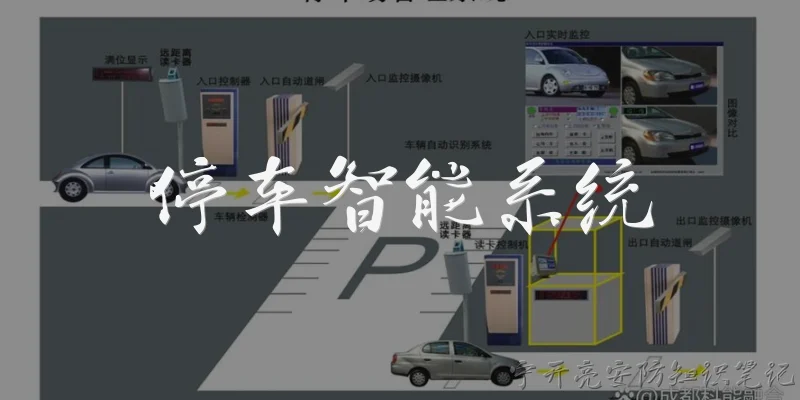
A: A Smart Parking System uses sensors, cameras, and connectivity to monitor and manage parking spaces in real time. In-ground or overhead sensors detect occupancy, while license plate recognition cameras identify vehicles. Data is transmitted to a central platform that guides drivers to available spots via mobile apps, digital signage, or in-car navigation. Payment is often automated through apps or RFID. Some systems include reservation features, dynamic pricing, and analytics dashboards for operators. The core benefit is reducing the time drivers spend circling for parking, which cuts congestion, emissions, and frustration while improving space utilization and revenue for parking operators.
Q: What are the main benefits of implementing a Smart Parking System in a city?
A: Smart Parking Systems reduce traffic congestion by cutting the time drivers spend searching for spaces, which can account for a significant share of urban traffic. They lower emissions and fuel waste, improve space utilization, and increase parking revenue through dynamic pricing. Real-time data helps city planners make informed decisions about infrastructure. For drivers, benefits include faster parking, cashless payment, and reservation options that guarantee a spot. Operators gain analytics on occupancy patterns, enabling better staffing and maintenance. Overall, these systems contribute to smarter, more sustainable urban mobility and a better experience for residents and visitors alike.
Q: What technologies are used in Smart Parking Systems?
A: Smart Parking Systems rely on a combination of technologies. IoT sensors, such as magnetometers, ultrasonic, or camera-based detectors, monitor individual space occupancy. License plate recognition (LPR) cameras enable ticketless entry and exit. Wireless communication protocols like LoRaWAN, NB-IoT, or Wi-Fi transmit data to cloud platforms. Mobile apps and APIs provide driver-facing services such as spot finding, reservation, and payment. Data analytics and machine learning predict demand and optimize pricing. Some systems use in-ground vehicle detection, smart meters, and digital signage. Integration with navigation apps and city traffic management platforms further enhances functionality and user experience.
Q: How do drivers find and pay for parking using a Smart Parking System?
A: Drivers typically use a mobile app that displays real-time availability of nearby parking spaces, often with navigation guidance to the chosen spot. Some systems allow advance reservation, guaranteeing a space upon arrival. Payment is handled in-app via credit card, digital wallet, or linked account, eliminating the need for coins or paper tickets. Sensors detect when the vehicle enters and exits, automatically starting and stopping billing. Digital signage at parking facilities also displays availability and pricing. For users without smartphones, options like SMS payment, RFID tags, or pay stations remain available, ensuring accessibility for all drivers while streamlining the parking experience.
Q: What challenges are associated with deploying Smart Parking Systems?
A: Deployment challenges include high upfront costs for sensors, cameras, and infrastructure, plus ongoing maintenance and connectivity expenses. Retrofitting older parking facilities can be technically difficult. Data privacy and security are concerns, especially with camera-based license plate recognition and payment data, requiring robust cybersecurity and compliance with regulations. Interoperability between different vendors and city systems can be complex. Public acceptance and adoption depend on clear user-friendly apps and education. Additionally, reliable network coverage and power supply are essential, particularly for street parking. Cities must also address equity, ensuring solutions work for drivers without smartphones, and develop clear policies for data ownership and dynamic pricing.
Words of experience
Common scenarios of "Smart Parking System"
【Product Manager】 Good morning, team. Today I want to review our Smart Parking System concept. The goal is to reduce the time drivers spend searching for parking by at least 40%. Where are we on the core features?
【Lead Engineer】 Morning. We've nailed down the three pillars: real-time spot detection using IoT sensors, a mobile app for reservations and payments, and dynamic pricing based on occupancy. The sensor network prototype is working in our test lot.
【UX Designer】 From the user side, I've mapped the journey: driver opens the app, sees available spots on a map, reserves one, and gets guided by navigation to the exact bay. We need to make sure the interface is glanceable while driving.
【Product Manager】 Glanceable is key. What about drivers who don't use the app? We can't ignore them.
【Lead Engineer】 We're planning digital signage at lot entrances showing live availability counts. Also, we can integrate with in-car navigation systems via an API so the data reaches more people.
【UX Designer】 I'd also suggest a QR code at each spot for quick payment and session start, so even non-app users can pay without hunting for a meter.
【Data Scientist】 On the analytics side, we're building a model that predicts occupancy patterns by time of day and day of week. That feeds the dynamic pricing engine and helps drivers decide when to come.
【Product Manager】 Dynamic pricing worries me from a public perception angle. If we raise prices during peak hours, people may feel gouged. How do we frame it?
【Data Scientist】 We can frame it as demand smoothing: discounts for off-peak, small surcharges at peak. The revenue can fund maintenance and better infrastructure. Transparency in the app about why a price is set helps.
【UX Designer】 Yes, and we should show a 'best time to park' suggestion. If someone can shift by 30 minutes and save money, that's a win-win.
【Security Specialist】 I need to flag security early. The payment flow must be PCI-DSS compliant, and the sensor network needs encrypted communication. A compromised sensor could spoof occupancy and manipulate pricing.
【Lead Engineer】 Agreed. We're using TLS for sensor-to-cloud and signed firmware updates. For payments, we'll tokenize card data and never store raw numbers on our servers.
【Security Specialist】 Also consider physical tampering. Sensors in open lots are vulnerable. We need tamper alerts and a way to detect anomalies in occupancy data.
【Data Scientist】 I can add an anomaly detection layer that flags spots reporting 'occupied' for unusually long periods or flipping states rapidly. That could indicate a faulty or tampered sensor.
【Product Manager】 Good. Let's talk about the pilot. Where do we deploy first, and what does success look like?
【Lead Engineer】 I suggest a downtown lot with 200 spaces and heavy turnover. We can instrument it in two weeks. Success metrics: reservation conversion rate, average search time reduction, and sensor uptime above 99%.
【UX Designer】 I'd add user satisfaction and app crash-free rate to that list. If the app freezes while someone is entering a lot, we've lost them.
【Product Manager】 Fair. What about accessibility? We need to make sure the app works with screen readers and that signage is readable for color-blind users.
【UX Designer】 I'll do a WCAG 2.1 AA audit and include high-contrast modes and voice guidance for navigation. Also large touch targets for quick use.
【Security Specialist】 One more: data privacy. Location data is sensitive. We should minimize retention, anonymize where possible, and be clear in the privacy policy about what we collect.
【Product Manager】 Excellent points all around. Let's set a follow-up for next Thursday to review the pilot plan, security checklist, and updated UX mockups. Thanks, everyone.