Video wall function:What is the video wall function and how does it work?
Q: What is the video wall function and how does it work?
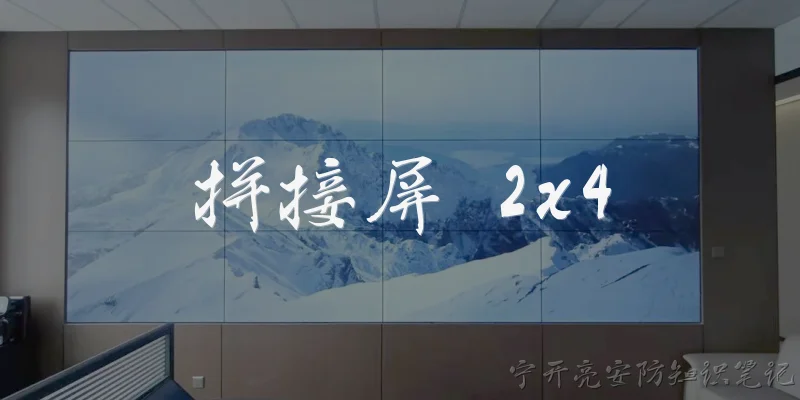
A: The video wall function is a feature that allows multiple displays to be combined into a single large screen, creating a seamless visual canvas. It works by splitting a single video or image signal across several monitors arranged in a grid, such as 2x2 or 3x4. Each display receives a specific portion of the overall image, and when placed together, they form one continuous picture. This function is commonly used in control rooms, digital signage, and entertainment venues to deliver high-impact visuals. The system typically requires a video wall controller or software that manages signal distribution, bezel compensation, and synchronization. Some advanced setups also support real-time windowing, so different sources can be shown simultaneously across the wall.
Q: What are the main benefits of using video wall function in a business environment?
A: The video wall function offers several key benefits for businesses. First, it enhances visual impact, making presentations, advertisements, and data visualizations far more engaging than a single screen. Second, it improves information density; multiple data feeds, dashboards, or video conferences can be displayed side by side without clutter. Third, it increases flexibility—users can switch between full-screen content and multi-window layouts instantly. Fourth, it supports collaboration, as teams can share and annotate content across the wall. Finally, it can be cost-effective compared to buying one massive display, since smaller commercial monitors are often cheaper and easier to replace. For retail, control rooms, and corporate lobbies, a video wall turns passive viewing into an interactive, dynamic experience that captures attention and boosts productivity.
Q: How do I set up a video wall function with multiple monitors?
A: Setting up a video wall function involves several steps. First, choose monitors with thin bezels and identical resolution and size for a uniform look. Second, arrange them in your desired grid, such as 2x2 or 3x3. Third, connect them to a video wall controller or a PC with a multi-display graphics card. You can use HDMI, DisplayPort, or DVI cables. Fourth, install video wall software that supports edge blending and bezel correction. Configure the software to map each display to the correct portion of the overall image. Fifth, calibrate color and brightness across all screens to ensure consistency. Finally, test with a full-screen video or image and adjust alignment. For simple setups, some monitors have built-in daisy-chain support, but professional-grade walls usually need dedicated hardware for reliable performance.
Q: What are common use cases for the video wall function in different industries?
A: The video wall function is used across many industries. In control rooms for utilities and transportation, it displays real-time maps, camera feeds, and system status for quick decision-making. In retail, it creates eye-catching digital signage and interactive product showcases. In corporate lobbies and boardrooms, it presents brand videos, dashboards, and video conferences. In entertainment venues like sports bars and concerts, it shows multiple live feeds simultaneously. In education, it supports collaborative learning with shared screens. In healthcare, it monitors patient data and imaging. In broadcasting, it serves as a backdrop for news and weather segments. Each use case leverages the wall's ability to combine multiple sources into one large, flexible display, improving communication, situational awareness, and audience engagement.
Words of experience
Common scenarios of "Video wall function"
【Sales Manager】 Hi team, thanks for joining. Today we're going to run through the new video wall function in our latest display management software. I want everyone to understand its capabilities and how to pitch it to clients.
【Product Specialist】 Great. I'll start with an overview. The video wall function allows you to manage multiple displays as a single large canvas. You can arrange screens in any grid configuration, and content can span across all screens seamlessly.
【Technical Support】 From a technical standpoint, it supports resolutions up to 8K per screen and can handle up to 100 screens in a single wall. It uses a centralized controller that syncs the content, so there's no tearing or lag.
【Sales Manager】 That's impressive. What about setup? Is it plug-and-play or does it require complex configuration?
【Product Specialist】 It's quite user-friendly. The software has a wizard that guides you through the setup. You just input the number of rows and columns, and it automatically detects the displays and assigns their positions.
【Technical Support】 Yes, and for advanced users, there's a scripting API for custom layouts and scheduling. But for most clients, the GUI is sufficient.
【Sales Manager】 Good. What are the key selling points we should highlight to potential customers?
【Product Specialist】 First, flexibility: any layout, any content. Second, scalability: from 2x2 to 10x10 or more. Third, ease of use: intuitive interface. Fourth, reliability: 24/7 operation with failover support.
【Technical Support】 Also, it supports various input sources: HDMI, DisplayPort, IP streams, and even web content. You can mix and match.
【Sales Manager】 How about pricing? Is it a one-time license or subscription?
【Product Specialist】 It's a one-time license per controller, with optional annual support. The license covers unlimited screens up to the controller's capacity.
【Technical Support】 And we offer a cloud-based version for remote management, which is subscription-based. That's good for clients with multiple locations.
【Sales Manager】 What are the common use cases?
【Product Specialist】 Retail: dynamic advertising walls. Corporate: lobby displays and control rooms. Entertainment: concerts and sports arenas. Education: interactive learning walls.
【Technical Support】 We also see it in traffic control centers and security operations, where multiple feeds need to be monitored simultaneously.
【Sales Manager】 Any limitations we should be aware of?
【Product Specialist】 The main one is that all displays should be the same model for best results, though it can work with mixed models with some bezel compensation. Also, network bandwidth is crucial for IP streams.
【Technical Support】 And for very large walls, you might need multiple controllers, but they can be synchronized.
【Sales Manager】 Great. Can we do a demo for the team next week?
【Product Specialist】 Absolutely. I'll set up a 3x3 wall in the demo room and show content spanning, windowing, and scheduling.
【Technical Support】 I'll prepare a technical deep dive on the API and network requirements for those interested.
【Sales Manager】 Perfect. Let's also compile a FAQ and a comparison chart against competitors. Thanks everyone!