Principle of Wireless Patrol System:What is the basic principle of a wireless patrol system?
Q: What is the basic principle of a wireless patrol system?
A: The basic principle of a wireless patrol system is to use wireless communication technologies to monitor and verify the movement of security personnel along predefined patrol routes. Instead of physical keys or wired checkpoints, each patrol point is equipped with a wireless tag, such as an RFID, NFC, or Bluetooth beacon. The patrol officer carries a handheld reader or a smartphone with a dedicated app. When the officer approaches a checkpoint, the device automatically detects the tag and records the time, location, and identity of the guard. This data is then transmitted in real time or at intervals to a central server via Wi-Fi, cellular, or other wireless networks. The server software analyzes the information to confirm that all checkpoints were visited in the correct order and within the scheduled time window. If any checkpoint is missed or visited late, the system generates an alert. By eliminating wired infrastructure, wireless patrol systems offer flexibility, easy installation, and lower maintenance costs, making them ideal for large or temporary sites.
Q: How does wireless communication enhance the functionality of a patrol system?
A: Wireless communication significantly enhances a patrol system by enabling real-time data transfer, remote monitoring, and immediate incident reporting. With wireless connectivity, guards can send alerts, photos, or status updates instantly from the field, allowing supervisors to respond quickly to emergencies. The system can also push instructions or schedule changes directly to the guard's device. Unlike wired systems, wireless patrol systems do not require extensive cabling, which reduces installation time and cost, and allows checkpoints to be relocated easily as security needs change. Additionally, wireless technology supports automatic log uploads, so there is no need for manual data collection. Supervisors can access live dashboards from any location, track patrol progress, and generate reports on compliance and incident trends. This real-time visibility improves accountability and operational efficiency. Furthermore, wireless systems can integrate with other security technologies, such as CCTV and access control, creating a unified security management platform. Overall, wireless communication transforms a basic patrol into a dynamic, responsive, and intelligent security solution.
Q: What are the key components of a wireless patrol system and how do they work together?
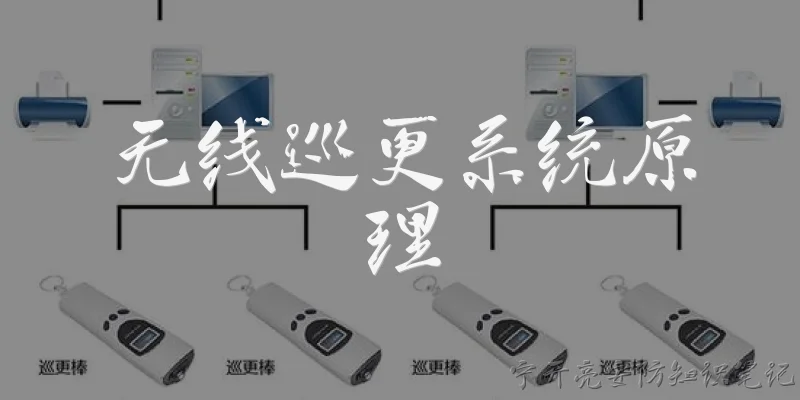
A: A wireless patrol system consists of three main components: wireless checkpoints (tags), a patrol device, and a central management server. The checkpoints are small, battery-powered tags placed at specific locations along the patrol route. They use technologies like RFID, NFC, or Bluetooth Low Energy to communicate with the patrol device. The patrol device, typically a rugged handheld reader or a smartphone, detects the tags when the guard is nearby and records the checkpoint ID, timestamp, and guard ID. The device then transmits this data wirelessly—via Wi-Fi, 3G/4G/5G, or LoRa—to the central server. The server runs software that stores patrol schedules, analyzes the incoming data, and generates reports or alerts. It also allows administrators to configure routes, assign guards, and monitor real-time status. Together, these components create a seamless loop: checkpoints provide location identity, the device captures and relays data, and the server processes and acts on it. This integrated approach ensures accurate, tamper-resistant patrol verification and efficient security management.
Dialogue about
Common scenarios of "Principle of Wireless Patrol System"
【Engineer】 Hi, I'm an engineer working on wireless patrol systems. Can you explain the basic principle behind them?
【Expert】 Sure! A wireless patrol system is designed to monitor and manage security patrols without physical wired connections. It typically uses wireless communication technologies like Wi-Fi, RFID, or GPS to track patrol officers and ensure they follow designated routes.
【Engineer】 How does the system ensure that officers actually visit all required checkpoints?
【Expert】 Checkpoints are equipped with wireless tags, such as RFID or NFC tags. When an officer with a handheld device or smartphone gets close, the device reads the tag and records the time and location, sending the data to a central server via wireless network.
【Engineer】 What wireless technologies are commonly used for this purpose?
【Expert】 Common technologies include RFID for short-range check-ins, Wi-Fi for real-time data transmission, and GPS for outdoor location tracking. Some systems also use Bluetooth beacons for indoor positioning.
【Engineer】 How does the central server process the data?
【Expert】 The server receives the checkpoint data, timestamps, and location info. It then compares the actual patrol route against the planned route, generates reports, and can trigger alerts if a checkpoint is missed or if the officer deviates from the route.
【Engineer】 What are the key components of a wireless patrol system?
【Expert】 The main components are: 1) Wireless tags at checkpoints, 2) A handheld reader or smartphone with wireless capability, 3) A wireless network infrastructure (e.g., Wi-Fi access points), 4) A central management server with software for route planning, tracking, and reporting.
【Engineer】 How does the system handle real-time tracking of officers?
【Expert】 Real-time tracking is often achieved via GPS or indoor positioning systems. The officer's device periodically sends its location to the server, which plots it on a map. This allows supervisors to see the officer's current position and historical path.
【Engineer】 What about data security? How is the wireless transmission protected?
【Expert】 Security measures include encryption (e.g., WPA2 for Wi-Fi, AES for data), authentication of devices, and secure protocols like HTTPS for data transfer. Some systems also use VPNs to protect data over public networks.
【Engineer】 Can you explain how the system integrates with existing security infrastructure?
【Expert】 Integration is often done via APIs. The patrol system can feed data into a central security management platform, allowing for unified monitoring. It can also trigger actions like turning on cameras or locking doors when an officer checks in at specific points.
【Engineer】 What are the benefits of using wireless over wired systems?
【Expert】 Wireless systems are easier to install, more flexible, and scalable. They don't require cabling, which reduces cost and allows for quick deployment in various environments. They also enable real-time tracking and immediate data transmission.
【Engineer】 Are there any challenges or limitations?
【Expert】 Yes, challenges include wireless signal interference, battery life of devices, and potential security vulnerabilities. Also, in large or complex buildings, ensuring adequate coverage can be difficult. Proper planning and redundant systems can mitigate these issues.
【Engineer】 Thank you! This gives me a solid understanding of the principles.
【Expert】 You're welcome! If you need more details on any specific aspect, feel free to ask.