Access control card system:What is an access control card system and how does it work?
Q: What is an access control card system and how does it work?
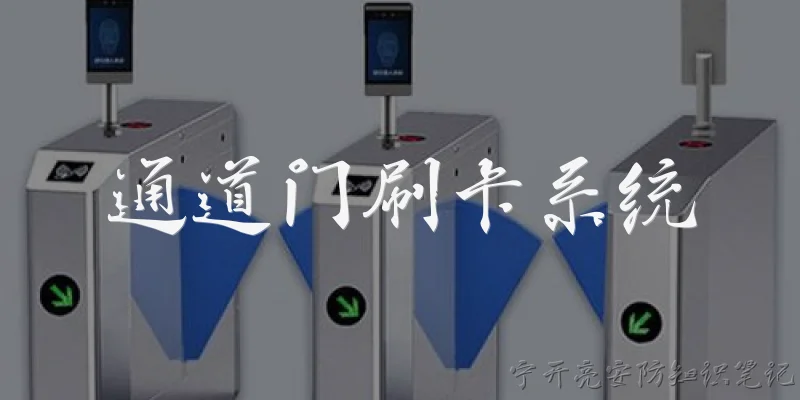
A: An access control card system is a security solution that uses physical cards to grant or deny entry to restricted areas. Each card contains a unique identifier, such as a magnetic stripe, proximity chip, or smart card chip. When the card is presented to a reader at a door or gate, the reader transmits the credential to a central controller. The controller checks the card's permissions in a database and, if authorized, unlocks the door. This system replaces traditional keys, allowing administrators to easily add, revoke, or modify access rights and maintain detailed logs of entries for auditing and security monitoring.
Q: What are the main components of an access control card system?
A: A typical access control card system consists of several key components. First, the access cards themselves, which store the user's credential. Second, card readers that scan the card and send data to the controller. Third, a control panel or controller that processes the information and makes access decisions. Fourth, an electric lock, such as a magnetic lock or strike, that secures the door. Fifth, a power supply to operate the system. Finally, management software runs on a computer, allowing administrators to configure permissions, monitor activity, and generate reports. These components work together to provide secure and flexible access management.
Q: What are the benefits of using an access control card system over traditional keys?
A: Access control card systems offer significant advantages over traditional keys. They eliminate the need to rekey locks when a key is lost or stolen, as cards can be instantly deactivated. They provide detailed audit trails, recording who entered which door and when. Administrators can easily grant or revoke access rights for individuals or groups, and set time-based restrictions. Cards can be integrated with other systems like time and attendance or payroll. Additionally, they reduce the risk of unauthorized duplication, as many cards use encryption. Overall, they enhance security, convenience, and operational efficiency in managing building access.
Q: How does a proximity card work in an access control system?
A: A proximity card works using radio frequency identification (RFID) technology. Inside the card is a small antenna and a microchip. When the card is brought within a few inches of a proximity reader, the reader emits a low-frequency radio signal. This signal induces a small electrical current in the card's antenna, powering the chip. The chip then transmits its unique identification number back to the reader. The reader sends this number to the access control panel, which checks if the card is authorized for that door at that time. If so, the door unlocks. Proximity cards are convenient because they don't require physical contact with the reader.
Q: What are common security concerns with access control card systems and how can they be mitigated?
A: Common security concerns with access control card systems include card cloning, lost or stolen cards, and relay attacks. Cloning occurs when an unauthorized device copies a card's credential; using encrypted smart cards can mitigate this. Lost cards pose a risk if not promptly deactivated; implementing a quick revocation process and requiring PINs for high-security areas helps. Relay attacks involve extending the communication range between card and reader; using challenge-response authentication or shielding can prevent this. Additionally, regular audits of access logs and user permissions, along with employee training, are essential to maintaining a secure system. Updating firmware and using multi-factor authentication further enhance security.
Words of experience
Common scenarios of "Access control card system"
【Security Manager】 Hi, I'm the security manager for a large corporate campus. We're considering upgrading our access control system to a card-based system. Can you tell me about the benefits?
【Access Control Specialist】 Absolutely. A card-based access control system offers enhanced security by restricting access to authorized personnel only. It also provides audit trails, so you can monitor who enters which areas and when. It's scalable and can integrate with other systems like CCTV and alarm systems.
【Security Manager】 That sounds promising. What types of cards are typically used? We have about 5,000 employees across multiple buildings.
【Access Control Specialist】 Common card technologies include proximity cards (125 kHz), smart cards (13.56 MHz), and magnetic stripe cards. For a large campus like yours, I'd recommend smart cards due to their higher security and ability to store more data. They can also support multi-factor authentication.
【Security Manager】 Multi-factor authentication? How does that work with cards?
【Access Control Specialist】 Yes, you can combine the card with a PIN or biometric verification. For example, the user presents the card and then enters a PIN or scans their fingerprint. This adds an extra layer of security, especially for sensitive areas.
【Security Manager】 What about the infrastructure required? We have existing doors with traditional locks.
【Access Control Specialist】 You'll need to install card readers at each access point, along with an electronic locking mechanism (like electric strikes or magnetic locks). The readers connect to a control panel, which communicates with your central server. Existing doors can often be retrofitted, but some may require modification.
【Security Manager】 How many readers and panels would we need for a campus with 50 entry points?
【Access Control Specialist】 Typically, one reader per entry point. For 50 points, you'd need 50 readers. For control panels, it depends on the panel's capacity. A standard panel might handle 8-16 doors, so you'd need about 4-6 panels. You'll also need a server to manage the system.
【Security Manager】 What about the software? Can we manage access rights easily?
【Access Control Specialist】 Yes, the software allows you to assign access levels to individuals or groups, set time zones, and generate reports. It's usually web-based, so you can manage it from anywhere. Some systems also offer mobile credentials, where employees can use their smartphones instead of cards.
【Security Manager】 Mobile credentials? That could be convenient. But are they secure?
【Access Control Specialist】 They can be very secure if implemented properly, using encryption and secure elements in phones. However, you need to ensure that employees' phones are managed and that the system supports such technology. It might be a future upgrade after the card system is in place.
【Security Manager】 What's the typical cost for a system like this? We need to budget.
【Access Control Specialist】 Costs vary widely based on hardware, software, and installation. For a system with 50 readers, smart cards, and software, you might be looking at $50,000 to $150,000. Ongoing costs include card issuance, maintenance, and software updates.
【Security Manager】 That's within our range. How long does installation typically take?
【Access Control Specialist】 For 50 doors, installation can take 2-4 weeks, depending on the complexity and whether you need to run new wiring. It's best to phase it: start with critical areas, then expand.
【Security Manager】 What about integration with our existing HR database? We want to automate card issuance and revocation.
【Access Control Specialist】 Most systems offer APIs or database integration to sync with HR systems. When an employee is hired, a card can be automatically provisioned; when they leave, access is revoked. This reduces administrative overhead and improves security.
【Security Manager】 Great. I think we have a good starting point. Can you provide a detailed proposal with options?
【Access Control Specialist】 Absolutely. I'll prepare a proposal outlining recommended hardware, software, integration options, and a phased implementation plan. I'll also include a cost breakdown and timeline. Expect it within a week.