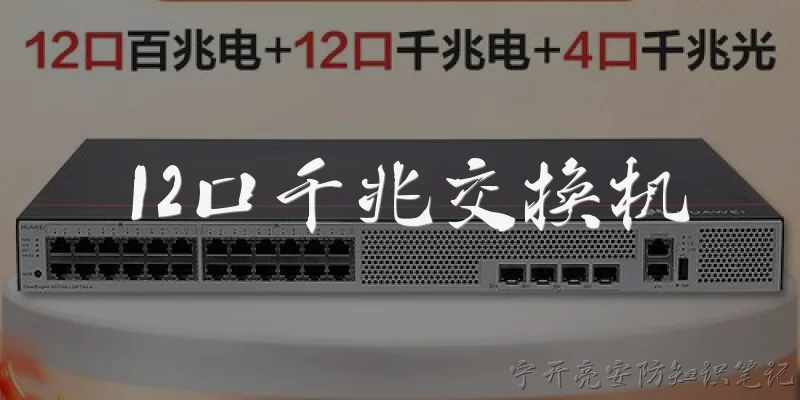
12-Port Gigabit Switch:What is a 12-Port Gigabit Switch and what are its primary uses?
Q: What is a 12-Port Gigabit Switch and what are its primary uses?
A: A 12-Port Gigabit Switch is a networking device that provides 12 Ethernet ports, each supporting Gigabit speeds of up to 1000 Mbps. It is used to connect multiple wired devices, such as computers, printers, servers, and access points, within a local area network. Its primary uses include expanding network connectivity in small offices, home networks, and labs, enabling fast data transfer between devices. Unlike routers, switches operate at the data link layer and do not handle IP routing, making them ideal for simple, high-speed wired connections without complex configuration.
Q: What are the key benefits of using a 12-Port Gigabit Switch over a standard 10/100 switch?
A: A 12-Port Gigabit Switch offers significantly faster data transfer rates, up to 1000 Mbps per port, compared to the 100 Mbps maximum of a standard 10/100 switch. This tenfold increase benefits bandwidth-intensive tasks like large file transfers, video streaming, and backup operations. Additionally, Gigabit switches often support features like jumbo frames and full-duplex communication, reducing latency and improving overall network efficiency. They are also backward compatible with 10/100 devices, ensuring seamless integration. For businesses or homes with modern devices, a Gigabit switch future-proofs the network and enhances performance without requiring major infrastructure changes.
Q: How does a 12-Port Gigabit Switch differ from a router, and when should I choose one?
A: A 12-Port Gigabit Switch operates at Layer 2 of the OSI model, forwarding data based on MAC addresses within a single network, while a router works at Layer 3, connecting different networks and directing traffic between them, often with NAT and DHCP. You should choose a switch when you need to add more wired ports to an existing network without routing capabilities, such as connecting many devices in one room. If you need internet sharing, firewall protection, or communication between subnets, a router is necessary. In many setups, a switch is used in conjunction with a router to expand port count while the router handles external connectivity.
Q: What features should I look for in a 12-Port Gigabit Switch for a small business?
A: For a small business, key features include: unmanaged vs. managed operation—managed switches offer VLANs, QoS, and monitoring; fanless design for quiet operation; energy-efficient Ethernet (802.3az) to reduce power consumption; sturdy metal housing for durability; and auto-MDI/MDIX to eliminate crossover cables. Also consider rack-mountable options for organized installations, buffer size for smooth traffic, and warranty/support. If network segmentation or prioritization is needed, a managed switch is preferable. Otherwise, an unmanaged switch provides plug-and-play simplicity. Ensure it supports Gigabit speeds on all ports and has enough ports for current and future devices.
Q: Can a 12-Port Gigabit Switch be used for PoE devices, and what are the limitations?
A: Not all 12-Port Gigabit Switches support Power over Ethernet (PoE). Standard switches lack PoE, so you cannot power devices like IP cameras or VoIP phones directly. If PoE is required, you must choose a PoE switch, which provides power over Ethernet cables. However, 12-port PoE switches often have a limited power budget, typically around 120W to 240W, which may restrict the number of high-power devices. Additionally, PoE switches cost more and may generate more heat. Therefore, check the PoE standard (802.3af/at) and total power budget before purchasing. For non-PoE devices, a standard switch is sufficient and more economical.
Words of experience
Common scenarios of "12-Port Gigabit Switch"
【Network Engineer】 Hi, I'm setting up a small office network and I'm considering a 12-port Gigabit switch. Can you tell me what the main benefits are?
【IT Consultant】 Sure! A 12-port Gigabit switch provides high-speed wired connectivity for up to 12 devices, all at 1 Gbps. It's ideal for small to medium businesses that need reliable, fast data transfer.
【Network Engineer】 That sounds good. How does it compare to a 8-port or 16-port switch?
【IT Consultant】 An 8-port might be too limited if you have more devices, while a 16-port could be overkill and more expensive. A 12-port offers a nice balance, giving you extra ports for future expansion without wasting money.
【Network Engineer】 Are there any specific features I should look for in a 12-port Gigabit switch?
【IT Consultant】 Look for features like VLAN support, QoS for prioritizing traffic, and maybe PoE if you plan to connect IP phones or cameras. Also, consider fanless designs for silent operation.
【Network Engineer】 PoE would be handy for VoIP phones. Does PoE affect the switch's performance?
【IT Consultant】 Not really, but PoE adds power budget considerations. Make sure the switch can provide enough power per port and total. It might also increase the price and heat output.
【Network Engineer】 How about management? Should I get a managed or unmanaged switch?
【IT Consultant】 If you need to monitor traffic, set up VLANs, or prioritize traffic, go for a managed switch. Unmanaged is plug-and-play but lacks these features. For a small office, a smart managed switch might be a good middle ground.
【Network Engineer】 What about the speed? Is Gigabit enough for modern networks?
【IT Consultant】 For most small office applications, Gigabit is sufficient. It supports file transfers, video streaming, and VoIP without issues. If you have heavy local traffic like large file backups, you might consider 10GbE, but that's more expensive.
【Network Engineer】 Can I connect this switch to my existing router?
【IT Consultant】 Absolutely. Just connect an Ethernet cable from your router's LAN port to any port on the switch. The switch will handle local traffic, while the router manages internet access.
【Network Engineer】 Will it work with my current Cat5e cables?
【IT Consultant】 Yes, Cat5e supports Gigabit speeds up to 100 meters. For best performance, Cat6 is recommended, but Cat5e is fine for most setups.
【Network Engineer】 Any recommendations for specific brands or models?
【IT Consultant】 Brands like TP-Link, Netgear, Cisco, and D-Link offer reliable 12-port Gigabit switches. Look at reviews and ensure it meets your needs for PoE, management, and warranty.
【Network Engineer】 What about power consumption? Are they energy-efficient?
【IT Consultant】 Many modern switches are energy-efficient, with features like Energy Efficient Ethernet (EEE) that reduce power when traffic is low. Check the specs for power consumption and efficiency ratings.